
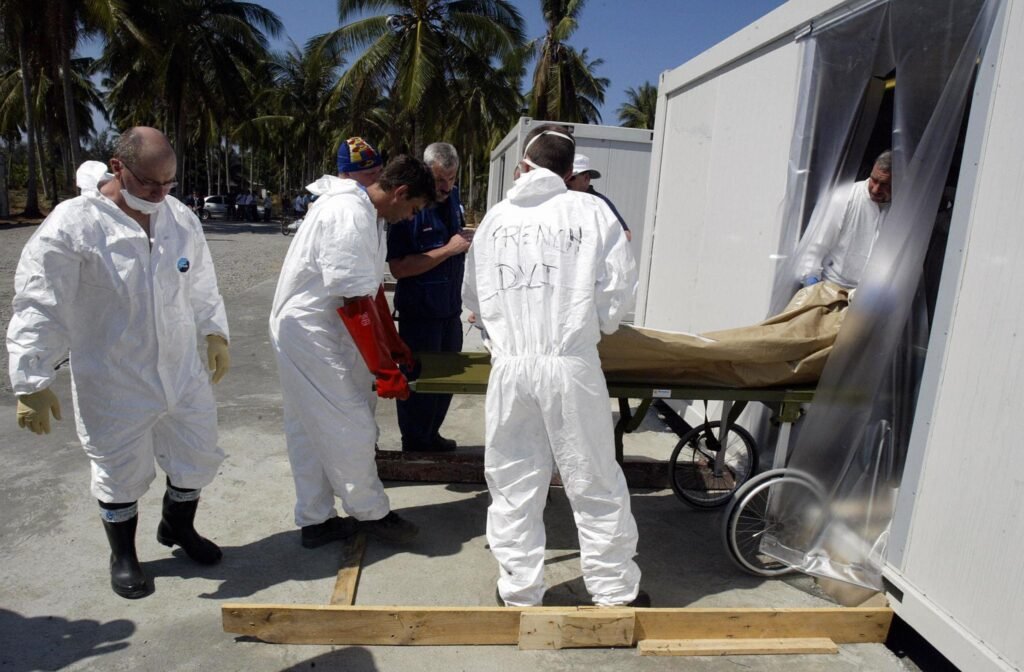
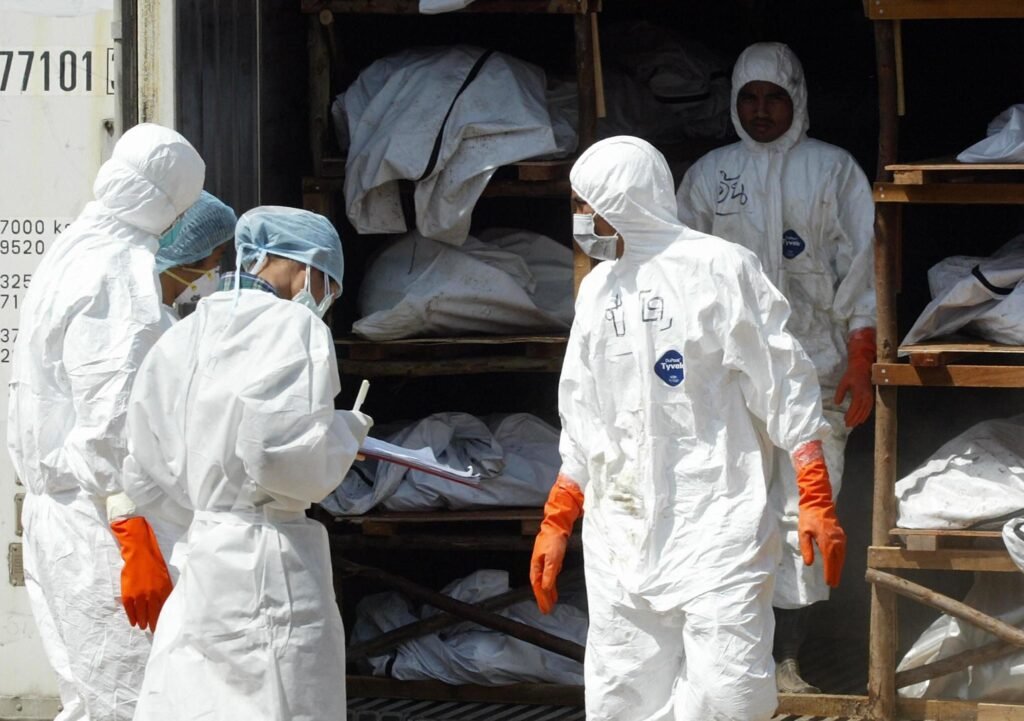
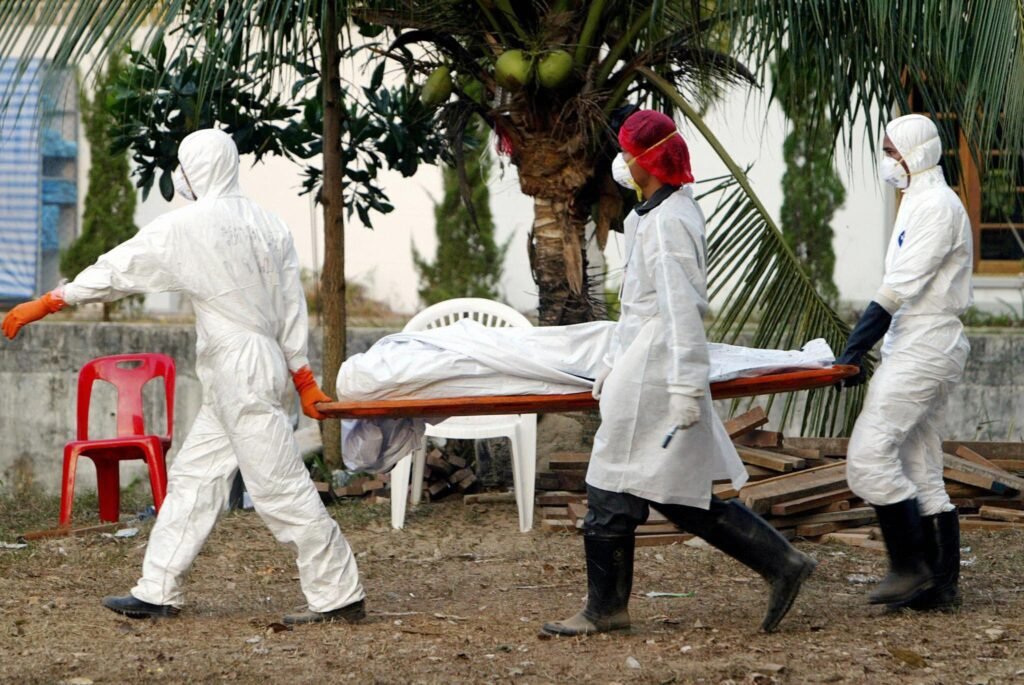
Following the 2004 Indian Ocean tsunami, multiple countries faced an unprecedented mass fatality situation.
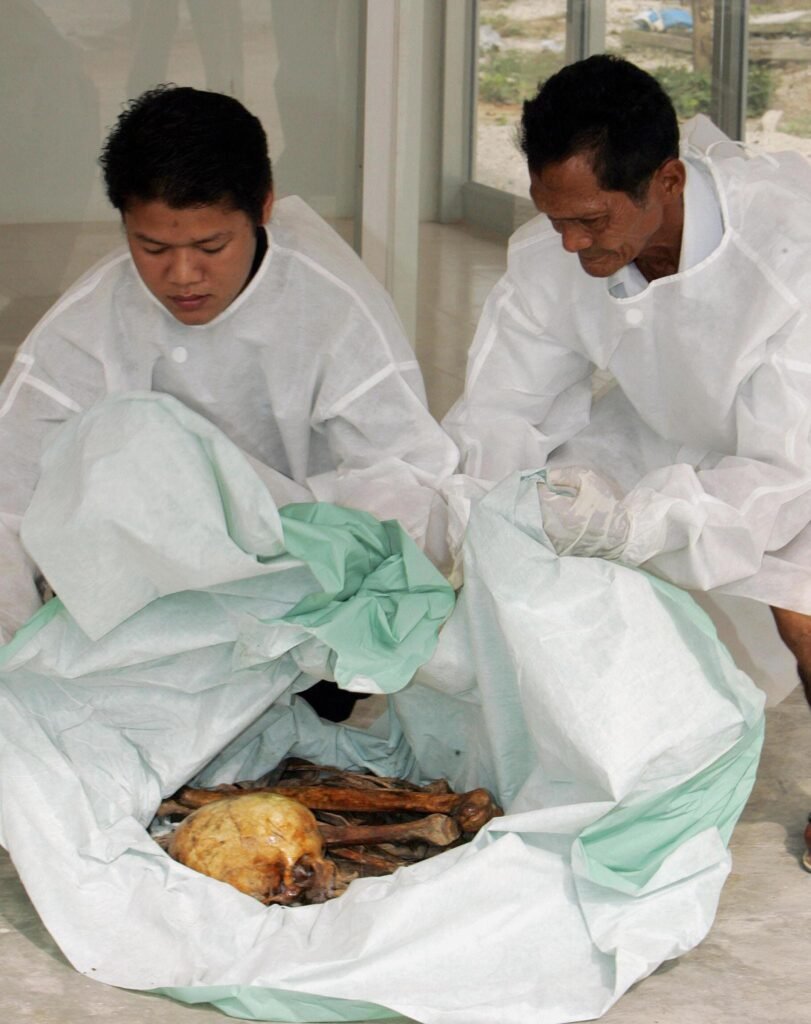
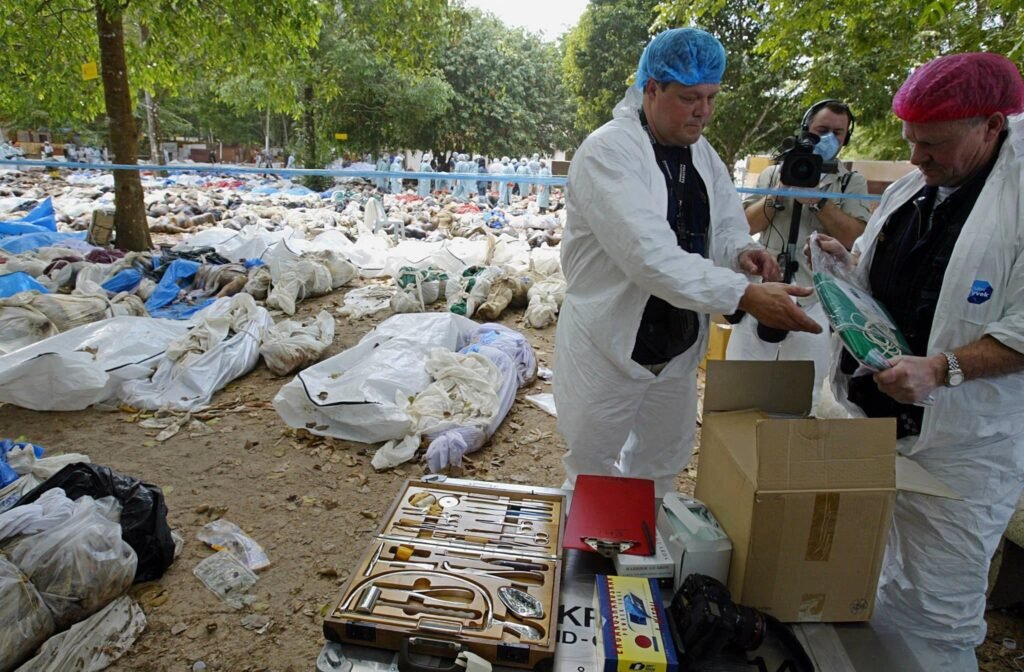
Thousands of victims were recovered across different regions. Many were severely decomposed, fragmented, or otherwise unrecognizable.
Traditional identification methods such as visual recognition or personal belongings quickly proved unreliable.
The scale and condition of the remains required a structured forensic approach.
The Challenge
The complexity was driven by several factors:
- Advanced decomposition due to environmental conditions
- Lack of documentation or personal identifiers
- Large number of victims across multiple jurisdictions
- Time-sensitive conditions affecting evidence preservation
Without a systematic process, accurate identification would not have been possible.
The Forensic Approach
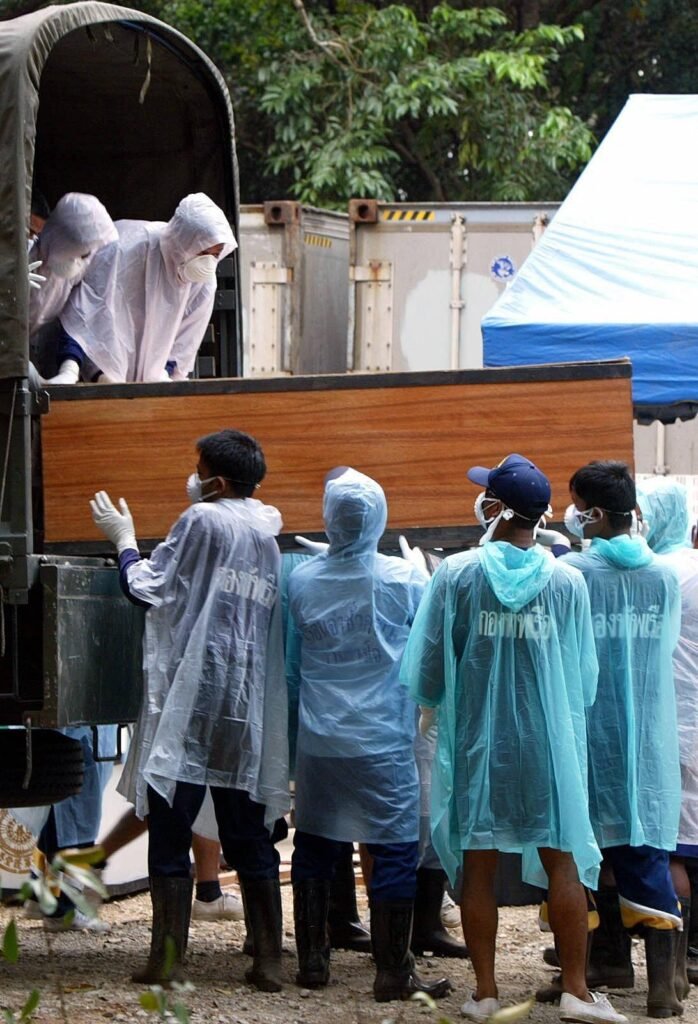
To address this, international teams implemented Disaster Victim Identification (DVI) protocols.
This process follows a structured framework:
Recovery Phase
Bodies are carefully collected, labeled, and documented to preserve context.
Postmortem Data Collection
Each set of remains is examined. Data such as dental records, fingerprints, and DNA profiles are recorded.
Antemortem Data Collection
Information is gathered from families and institutions, including medical and dental records.
Reconciliation
Experts compare antemortem and postmortem data to establish confirmed identifications.
This process is evidence-based and designed to ensure accuracy under challenging conditions.
Role of Forensic Odontology
In many cases, forensic odontology becomes one of the most reliable identification methods.
Dental structures are highly durable and often remain intact despite:
- Water exposure
- Decomposition
- Physical trauma
Experts analyze:
- Dental restorations
- Tooth morphology
- Alignment and structural patterns
These features can provide unique identifiers, even when other methods fail.
Outcome
Through the coordinated application of DVI protocols, a significant number of victims were successfully identified.
Each confirmed identification allowed for:
- Legal documentation of death
- Proper repatriation of remains
- Closure for affected families
The process was complex and time-intensive, but it ensured accuracy and reliability.
Key Takeaways
This case highlights several critical points:
- Identification in mass fatality events requires structured forensic systems
- Visual or assumption-based methods are not sufficient
- Multiple identification methods must be integrated
- Forensic odontology plays a key role when other identifiers are compromised
- Accuracy must be prioritized over speed
Relevance to Current Practice
The same principles apply today in:
- Conflict and post-conflict environments
- Aviation disasters
- Natural disasters
- Missing persons investigations
In all these scenarios, the objective remains the same:
To establish identity through defensible, scientific methods.
Conclusion
Disaster victim identification is not only a technical process.
It is a critical function within legal, humanitarian, and forensic systems.
Because without confirmed identity, there is no resolution.
And in complex cases, that resolution depends on structured forensic expertise capable of turning evidence into certainty.